How translation companies can pay translators to keep them onboard longterm
This article answers questions that translation companies have asked me regarding how to best pay their freelance translators. I am quoting some of their questions along with my answers below.
As the owner of a language service company, let me ask: What do you think is a better way for independent translators to be remunerated, if not by the word? What do you suggest?
If you are a project manager at a translation company, I suggest asking your transcreators how they want to be paid. Don’t assume that they are happy with per-word schemes.
Personally, as a translator, writer, and transcreator, I work with project fees, if possible, even when working with agencies. I first analyze and discuss what needs to be done and provide a cost quote and estimated timeline upfront for the agency to accept (or not). These project fees are a combination of the time and expertise required on my end, and the value my client gets.
More than anything it’s a matter of respecting expertise – the transcreator is the expert and should be the one to decide how they work best. It shouldn’t be the agency telling them how to do their job and how to charge for it. Do you tell your lawyer, accountant or other outside service providers that the only way you are going to pay them is per word of that contract or tax return?
My point is that, if companies treat outside human professionals with such low esteem for their expertise, these professionals won’t put their heart nor their brainpower into the job. You will be left with suppliers who don’t have the qualifications or who just don’t care. The choice is yours.
When you say that you are the expert – do you find that project managers at translation companies/agencies are often not language experts?
Project managers at translation companies may have a language degree but are often not active translators and may never haved worked as independent translators themselves. Also, they don’t usually have much maneuvering room, their task is to place a translation as fast and cheaply as possible, with little regard for the complexities of any particular job. I don’t envy them, they are usually between a rock and a hard place, but I find that, just as I respect their role, they should respect mine.
I like the idea of the upfront cost estimate but it creates an extra layer of work. Is it worth doing that for smaller jobs?
Yes, I provide estimates even for seemingly “small” jobs. They are often the trickiest and most underestimated ones. The examples in this book are ample illustration of that.
I’ll share another relevant example, where I was asked to “translate” a weekly newsletter for a consumer brand:
There were five (!) tricky headlines included in that newsletter, and the project manager offered me a whopping 25 EUR for the entire batch. He had budgeted it as “minimum fee.”
Now, in transcreation, there never is such a thing as a 25 EUR minimum fee. In my experience, even just one headline can take an hour, you have to absorb the briefing, the intent of the message, possibly reinvent a tricky wordplay. Especially if it’s a new client. The end client in this case needed 5 tricky headlines plus 5 subheads and some running copy. And they even re-used those headlines on their website (and are still using them two years later!). The project manager simply read “newsletter” and budgeted it accordingly, without understanding the complexity. I got back to him and we agreed on a more adequate fee.
This shows how important it is for the project manager to get in touch with the transcreator and ask for their input instead of attempting to budget a transcreation themselves.
I have agencies where we use this process and it works great. Everyone is happy.
Value-based project fees sound all fine and dandy, but as a translator, how do I know what the value of my work is to my client?
My entire book is essentially about understanding your value and how clients make an investment by hiring you. That’s the main tenet that you need be clear about yourself.
To keep the answer short for purposes of this post, I’ll quote pricing strategist Shannon Mattern here. At the Advanced Freelancers Summit May 2026 (organized by Austin L. Church of Freelance Cake), she said:
“Reframe your next proposal around outcomes, not deliverables. Before your next client conversation, prepare 3–5 specific questions to uncover what the engagement is actually worth to them – new clients gained, revenue impact, time saved, stress relieved. That’s the value anchor you build your options around, not the hours you’ll spend or the things you’ll produce.”
Shannon recommends thinking with an “Investment Mindset,” (something I have been championing for many years). By that she means offering a premium-level of service with minimum hassle for the client. That’s what I recommend that you aim for, rather than simply a “Hustle Mindset” (Shannon’s term for going above and beyond without charging for it). If you are interested in learning more about Shannon and her value pricing approach, check out shannonmattern.com
+++
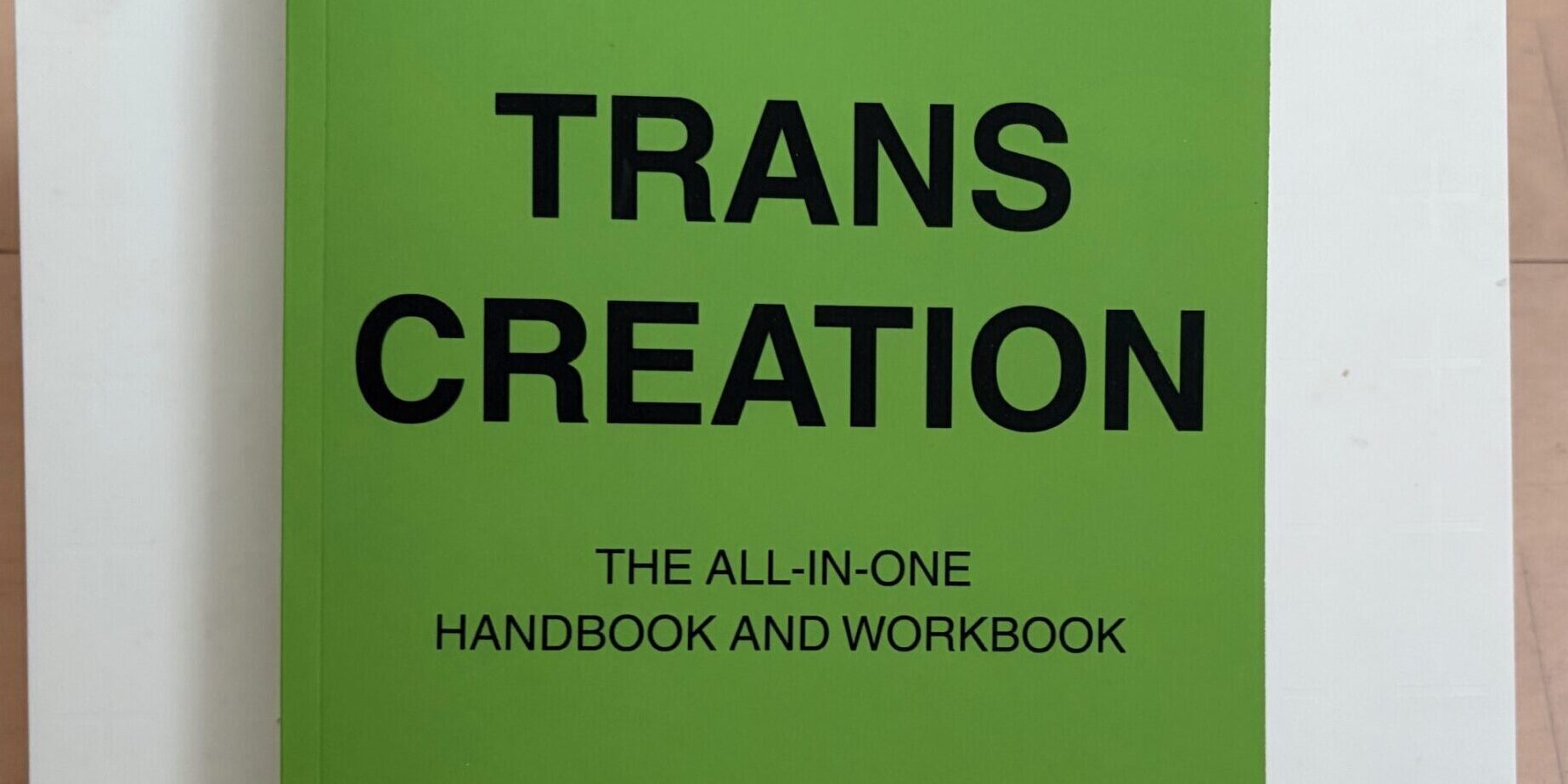
Did you find these Q&A helpful? I provide answers to over 80 frequently asked questions in my most recent book, plus templates, checklists, negotiation techniques, exercises and so much more. A must-read for anyone in the translation business, according to readers, and I agree: I wrote my 2026 edition of this book with the entire translation profession in mind, not just the transcreation niche. Check it out: TRANSCREATION: The all-in-one handbook and workbook